

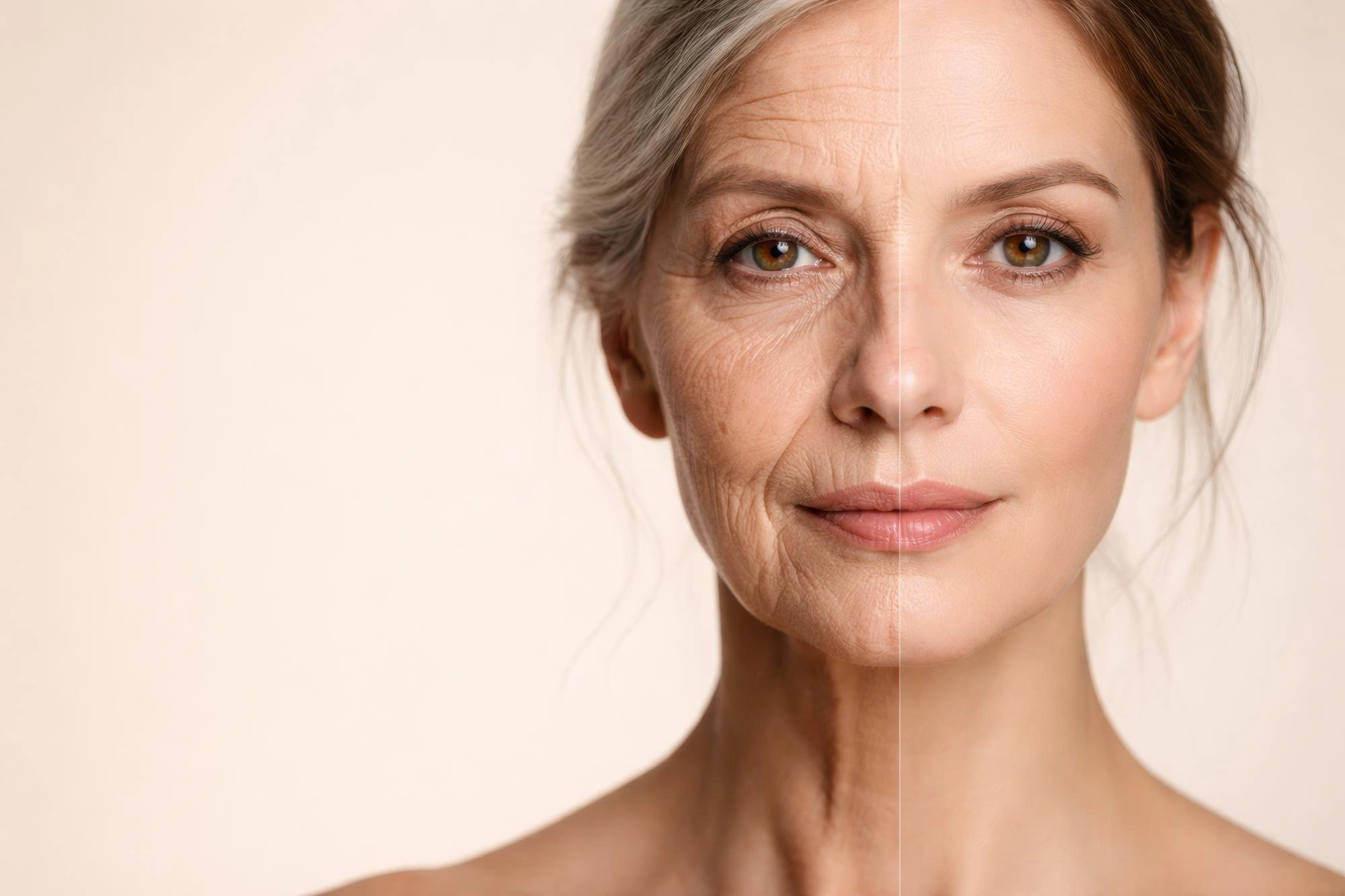
Wrinkle Treatment Options: Which One Is Right for You
Wrinkles develop for many reasons. The skin slowly loses collagen and elastin as the years pass. Fat pads shift, bone structure changes and the constant use of facial muscles starts to mark the surface. Sun exposure and lifestyle habits speed up these changes. What begins as faint lines can gradually deepen into folds. With the growth of aesthetic dermatology, there are reliable ways to manage wrinkles through treatments designed for specific layers of the skin.
A good starting point is understanding the type of wrinkle. Fine lines near the eyes or on the cheeks often appear due to early collagen decline and surface dehydration. These respond well to treatments that activate collagen production in a controlled manner. Microneedling is widely used for this purpose. It creates tiny channels on the skin which prompt fibroblasts to produce new collagen. The skin strengthens itself from within. With consistent sessions, fine lines soften and the skin regains a smoother texture.
Another category includes wrinkles caused by repetitive expressions. The folds that appear when smiling, frowning or raising the brows form because the muscles underneath contract frequently. Neuromodulator treatments target these precise muscle groups. When the muscle relaxes, the overlying skin relaxes as well. The challenge is to maintain natural expression while easing the intensity of the movement. When applied with accuracy, the effect looks refreshed rather than frozen.
Certain wrinkles form due to volume loss. As the face matures, the deeper layers lose support. Areas like the mid cheek, temples and lower face begin to sink. This causes creases to appear more prominently. Dermal fillers help restore this lost structure. These gels contain hyaluronic acid which blends with the tissue and returns subtle volume. By reinforcing key points of the face, the deeper creases soften and the facial outline appears more lifted. Placement technique is crucial to maintain balance and avoid heaviness.
For patients who have textural concerns along with wrinkles, fractional laser resurfacing offers a scientifically strong approach. The laser creates controlled thermal zones which reach the deeper layers without damaging the entire surface. The skin then begins a natural repair cycle. New collagen forms. Existing fibres tighten. Over time the skin becomes firmer and the wrinkles look less defined. This method suits people with sun damage, rough texture or multiple types of wrinkles.
Chemical peels are a supportive method that improves the upper layers. They encourage exfoliation and renewal. While peels cannot correct deep wrinkles on their own, they enhance brightness and smoothness and often complement other treatments very well.
Selecting the right wrinkle treatment always begins with a proper assessment. Every face carries a mix of muscular, structural and surface ageing changes. A single method rarely addresses them all. The most effective plan blends the right techniques in a sequence that strengthens the skin and preserves natural expression.
Conclusion
Wrinkle correction is a scientific process that looks at all layers of the skin. When the treatment choice matches the reason behind the wrinkle, the results are smoother, more natural and far more stable. A well-designed plan can restore firmness and clarity without altering the individuality of the face.