

Microneedling vs Laser for Acne Scars – Which Works Better?
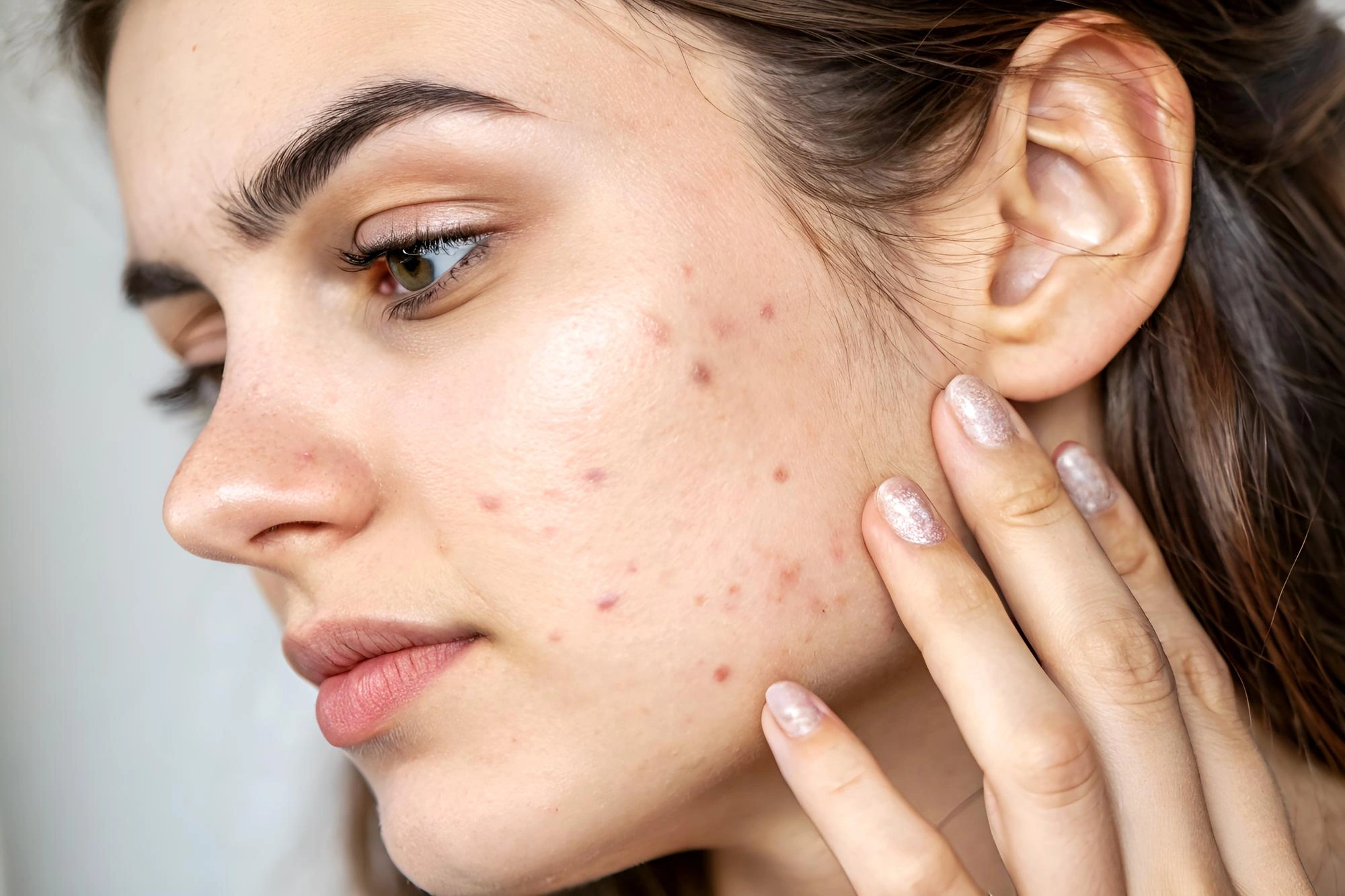
Acne scars are often more than just skin imperfections — they can quietly chip away at a person’s confidence long after the breakouts have healed. Studies show that nearly 80 percent of people who experience moderate to severe acne develop some form of scarring, and in India, where humidity, pigmentation, and lifestyle factors combine, these scars often appear deeper and more stubborn. Modern aesthetic medicine now offers two advanced solutions that have changed how doctors treat such scars: microneedling and laser resurfacing. Both are capable of transforming uneven skin into smoother, brighter, and healthier-looking skin. Yet one question patients at Salem Cosmetic Clinic often ask is, “Which one actually works better?”
To answer that, it helps to understand that every scar tells its own story. Some scars are shallow, some are deep and fibrotic, and others are a mix of both. What works brilliantly for one person may only slightly improve another, which is why comparing these two treatments isn’t about declaring a winner but about knowing how each one works — and how they complement different skin types and concerns.
Microneedling, often referred to as collagen induction therapy, is a gentle but powerful procedure that encourages the skin to heal itself. During treatment, very fine sterile needles create tiny controlled micro-injuries in the skin. These minute punctures don’t cause visible damage, but they trigger the body’s natural repair process. As new collagen and elastin form, the skin gradually becomes firmer, smoother, and more even. Over a series of sessions, pitted scars begin to lift, and the overall texture improves. Because it doesn’t remove any surface layers, microneedling suits almost every skin tone, including darker complexions that are prone to post-inflammatory pigmentation. Many patients appreciate that recovery is quick — usually just mild redness for a day or two — and that the improvement feels gradual and natural.
Laser resurfacing, in contrast, uses focused light energy to target the deeper layers of skin. Depending on the technology used — fractional CO₂, erbium, or non-ablative lasers — it can vaporize tiny columns of damaged tissue, break down scar fibers, and stimulate fresh collagen from within. The process remodels the skin’s surface, softening indented scars and reducing discoloration. Lasers can deliver dramatic results in fewer sessions, especially for deeper scars that microneedling might not reach effectively. However, because lasers work with heat, they need to be chosen carefully for Indian skin tones. Experienced doctors at Salem Cosmetic Clinic adjust the wavelength, intensity, and technique so that the treatment remains effective while minimizing the risk of pigmentation or sensitivity.
So, which works better? The honest answer depends on the scar distribution, skin type, and expectations.
Microneedling excels when the goal is overall texture improvement and collagen renewal with minimal downtime. It is the go-to option for people with mild to moderate acne scars, enlarged pores, or uneven skin tone who want subtle, progressive results.
Lasers, on the other hand, are ideal for more prominent scars, irregular texture, and patients who seek quicker, more visible correction and are comfortable with a few days of healing.
In many cases, the best outcomes come from combining the two — using microneedling to strengthen the skin and lasers to fine-tune deeper scars.
At Salem Cosmetic Clinic, treatment plans are never one-size-fits-all. Each patient’s skin is carefully evaluated under magnification, the depth and type of scars are analyzed, and a customized protocol is created. Sometimes microneedling is started first to boost collagen, followed by fractional laser sessions once the skin barrier is stronger. In others, lasers may be used initially to break tough scar tissue, and microneedling maintains the results later. The sequence is designed around comfort, recovery time, and the patient’s lifestyle.
Safety and expertise play a crucial role in how successful these procedures are. Both microneedling and lasers require skilled hands and an understanding of how Indian skin behaves after energy-based treatments. Factors like existing pigmentation, recent sun exposure, and even stress levels can influence how the skin heals. That is why pre- and post-treatment care at Salem Cosmetic Clinic is as important as the procedure itself. Patients are guided on how to prepare their skin, what products to avoid, and how to support recovery so that results last longer and stay uniform.
When performed correctly, both treatments can dramatically improve acne scars. Microneedling offers a natural, subtle transformation that builds steadily with each session, while laser resurfacing provides a faster, more intensive renewal. Neither treatment is about perfection; both are about restoration — helping the skin regain its natural resilience and smoothness. The real success lies not in chasing instant results but in creating a healthier foundation that continues to improve over time.
Conclusion
Choosing between microneedling and laser resurfacing isn’t about which one is superior — it’s about what your skin truly needs. The most satisfying results come from a plan that considers your scar type, skin tone, and healing capacity. At Salem Cosmetic Clinic, each treatment is personalized to achieve smoother, clearer, and more confident skin, backed by medical precision and an artistic eye for natural beauty.