

Do Scar Creams Work? The Truth About Topical Treatments vs. Medical Procedures
Scars carry stories acne from teenage years, a burn from a kitchen accident, a cut that healed oddly, or marks left behind after a surgery. While some scars fade quietly, others linger long enough to bother people every time they look in the mirror. With so many over-the-counter scar creams promising miracles, it’s easy to hope that a simple tube might erase years of texture or pigmentation. But do these creams actually work?
The Biology of Healing: Why Scars Differ
Most people don’t realise that a scar’s ability to improve depends entirely on what’s happening beneath the surface. A scar is not just skin deep; it involves collagen structure, depth, and the way the skin healed at that particular moment. This is why two people can have similar injuries but completely different scars — the biology behind healing plays a larger role than the cream used.
The Limits of Over-the-Counter Creams
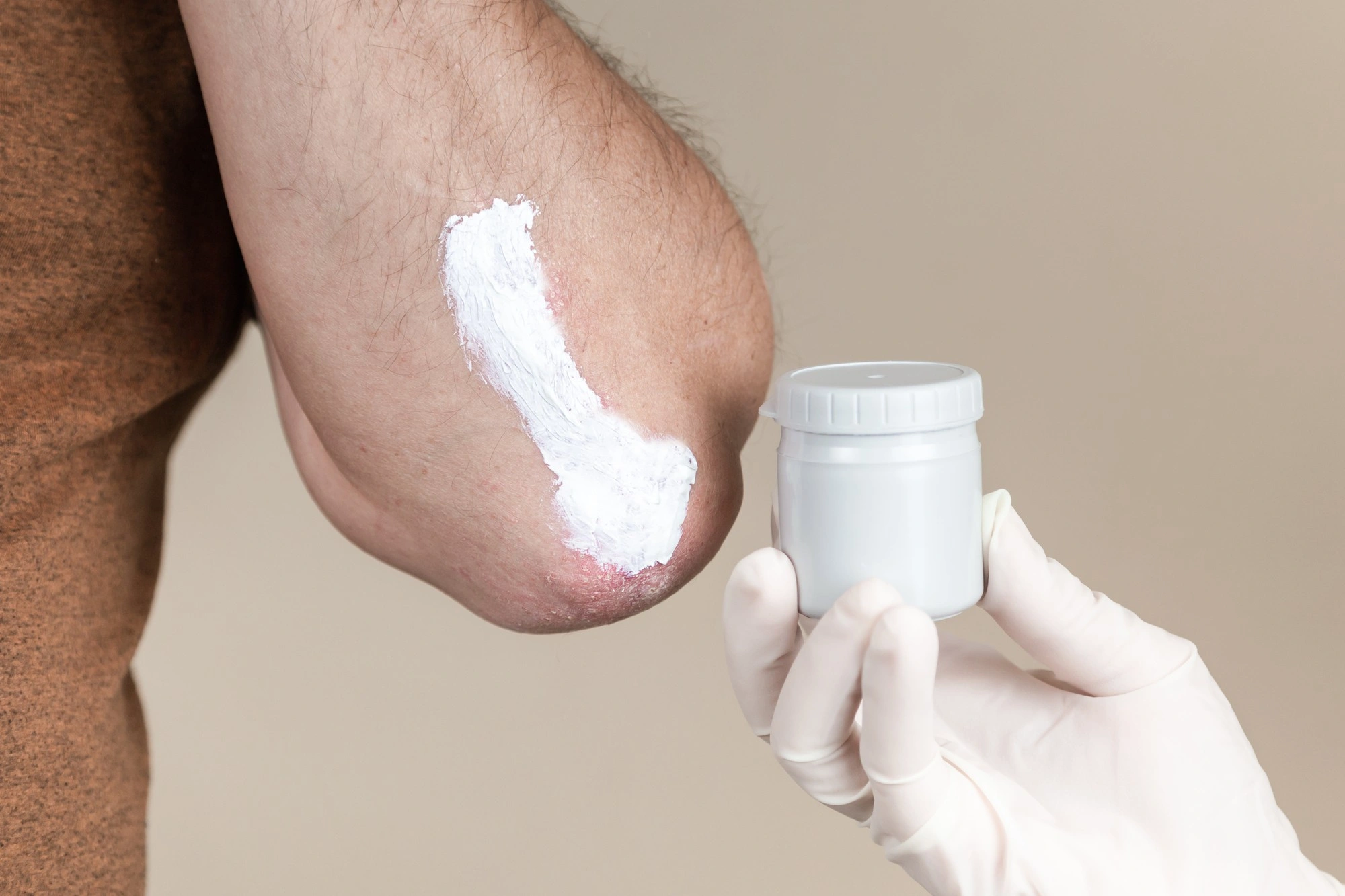
Scar creams can help, but their role is limited. Ingredients like silicone, vitamin E, hyaluronic acid, and botanical extracts soften the surface and keep the skin hydrated. On fresh scars, especially those less than a few months old, this moisture can help prevent the scar from thickening or turning darker. These creams may slightly smooth the edges or reduce itching, but they rarely change the actual architecture of the scar. Old, deep, or indented scars usually don’t respond much at all.
Surface Level vs. Deep Tissue Repair
This is where the difference between topical treatments and medical procedures becomes clear. Topical creams mostly work on the surface, while most scars lie below it.
Medical treatments offered at clinics, especially at Salem Cosmetic Clinic, go deeper into the skin where the scar actually formed. Microneedling, fractional lasers, chemical peels, PRP, and subcision all stimulate collagen in different ways. Instead of trying to “fade” the scar from outside, these procedures help rebuild the damaged tissue from within. That is why patients often notice real texture improvement, softer edges, and smoother skin after a series of professional sessions something no topical cream can achieve on its own.
The Role of Patience and Consistency
Another important distinction is consistency. People often apply a cream for a week, expect results, and then give up. Scars don’t respond that quickly. Even with the best medical procedures, collagen takes time to remodel. A proper plan, followed consistently, is what creates visible changes.
Many patients at Salem Cosmetic Clinic come in after trying multiple creams with little or no result. What they often realise during consultation is that they were treating a deep scar with a surface-level solution. Once they understand how the scar formed and what part of the skin needs repair, the decision becomes much clearer.
Finding the Right Place for Topicals
Topical creams are not useless they simply have their place. They work best on fresh scars, mild marks, and as support between procedures. But expecting them to erase deep acne pits, thick surgical scars, or long-standing marks often leads to disappointment. Professional treatments, on the other hand, are designed to target the root of the scar, not just its appearance.
Conclusion
If you’ve been relying on scar creams and not seeing the change you hoped for, it may be time to look at treatments that go beyond the surface. At Salem Cosmetic Clinic, scar correction is approached with precision, honesty, and a clear plan tailored to your skin. A consultation can help you understand what your scar truly needs and guide you toward smoother, more confident skin.